

Your body is capable of way more “O’s” than you think. And yes, you can actually train it.
So you’ve heard about multiple orgasms and wondered if your body is capable of multiple orgasms, or if it's just a fantasy.
You’re not alone. Most of us were taught a basic script: get aroused, climax once, game over.
Nobody explained how your nervous system, breath, and pelvic floor can be trained to go far beyond “one-and-done.”
If you’re looking for a practical, science-backed roadmap guide to doing exactly that safely, you’re in the right place.
The Reality Check: Frequency and Capability
First, let’s clear up one big myth: there is no single, “correct” version of being multiorgasmic. A survey research published in PubMed states that sexual experiences have identified four distinct “styles” of multiple orgasms.
And they’ve discovered that some people:
- Have fast back-to-back orgasms with almost no break, aka sequential multiples.
- Have several orgasms spaced out over a longer session, aka serial multiples.
- Experience a series of what we can describe as “orgasm waves” that blur together into one extended state.
- Have occasional second or third orgasm, but not every time. It’s still multiple orgasms, so it still counts.
In other words, “multiple orgasms” is like a spectrum, not a single event you either can or can’t have. Also, one’s experience might be different from yours.
Our goal here is not to copy someone else’s story, but to help you experience it, no matter what kind of multiple orgasm that is.
So, You Haven’t Had Multiple Orgasms Before
If you’ve never had more than one orgasm in a session, I know that can feel discouraging, especially when social media or porn makes it look effortless.
But no, it doesn’t mean you’re not normal, or that the ones who experience it are not normal. It’s just that we all have different physiologies.
But here are some facts: most women and vulva owners are capable of multiple orgasms, but according to the International Society for Sexual Medicine, only around 15% report having them regularly.
And like you, many people of all genders are frustrated, pressured, or confused about having multiple orgasms. So, you’re far from alone in this. But it also doesn’t mean you’ll never experience it.
Psychology and Relationship Dynamics
I know. You want to jump to the juicy details without boring yourself with theories, but bear with me for a second.
Most “how-to” guides jump straight to techniques. But study after study shows that your mind, emotions, and relationship quality are often the key (or hindrance) to multiple orgasms.
So before we jump into the most-awaited part, let’s make sure you have the right mindset on this.
The Safety and Anxiety Factor
When it comes to sex, it’s common to be hard on ourselves, on how we perform in the bedroom. There’s this inner commentator that constantly criticizes us, looking for proof like we’re never enough.
But if you want multiple orgasms, we need to look for ways to silence this inner critique.
Research shows that psychological well-being, relaxation, and a sense of safety are strongly linked with a person’s ability to orgasm, especially multiple times.
When you feel threatened or criticized (even imagined), your brain prioritizes protection over pleasure.
So, first step: manage anxiety and inner critique.
Relationship Quality as an Aphrodisiac
You want to achieve those multiple o’s? Have a good relationship with your partner, because those in satisfying, emotionally close relationships are more likely to orgasm, and more likely to experience multiple orgasms.
When researchers compared single-orgasmic and multiorgasmic women, the multiorgasmic group more often reported:
- Greater psychological well-being.
- More comfort discussing sex and preferences.
- Feeling more “in sync” with their partners.
No, your relationship doesn’t have to be perfect. But at least you should ensure that you are satisfied with your relationship, like there’s mutual respect and growth.
Communicating Desire (Before You’re Naked)
Trying to negotiate new sexual territory in the middle of penetration or intense stimulation is like trying to learn to swim while you’re already drowning.
Instead, bring the topic into the light before you’re in bed.
It’s because emotional closeness and open sexual communication increase the chance to achieve orgasm, let alone multiple. When both of you know what to expect in bed, your body can relax, not having to worry about your partner’s reaction or even outburst.
For Women and Vulva Owners: Overcoming the Peak
If you have a vulva, the most common roadblock is managing what happens right after the first orgasm.
The Problem: Hypersensitivity
After climax, many people with vulvas experience intense clitoral sensitivity. Even a light touch can feel too much, almost painful.
If your only plan is to keep doing exactly what got you over the edge the first time, you can kiss your next orgasm goodbye.
Don’t push through discomfort. What you need to do is change where and how you stimulate.
Here’s what you need to do:
1. Move away from the clitoral tip.
Instead of direct contact with the glans (the exposed tip), stimulate the clitoral shaft (under the hood), the labia, pubic mound, or internal stimulation.
2. Switch the type of sensation.
For example, let’s say you used the Cardinal set on a particular vibration and suction mode to help you reach your first orgasm. When you go for a second, try switching the vibration and suction settings to something a little less intense.
3. Go slower.
Many people find that a slower, more predictable rhythm feels soothing enough to stay aroused without the overwhelm.
Aside from slowing down or easing things out after your first orgasm, there are other techniques that you can try to increase your chances for multiple orgasms. Do these techniques before achieving the first orgasm.
Technique 1: The “Edging” Method (Peaking)
Edging, aka peaking, is the most popular method to build up for multiple orgasms. This is my favorite method, as it prolongs the fun while ensuring multiple climaxes.
The basic idea:
1. Bring your arousal level to around a 9 out of 10, right before your first climax.
2. Stop, slow, or change stimulation to let your arousal drop slightly.
3. Repeat #1 and #2.
4. If you can’t take it any longer, release.
So why is this effective? Every time you edge, you increase blood flow and tension in the pelvic region. And this charges your system, so when you finally let go, your first orgasm may already feel intense.
And because your body is still aroused after the first orgasm, you’re often closer to a second or even third climax.
Technique 2: Extended Foreplay and Lubrication
Multiple orgasms don’t happen in a rushed 5-minute quickie. How long or how good the foreplay is is tied to the likelihood of orgasm, let alone multiples.
So, it’s time to have a long foreplay, kissing, touch, massage, fantasy, or toys. The more your whole body feels involved, not just your genitals, the easier it is to climb back up after the first orgasm.
Natural lubrication can ebb and flow, especially between orgasms. Keep a good-quality lube nearby to reduce friction and make continued stimulation more comfortable.
Technique 3: Route Variety (Clitoral vs. Vaginal)
The third way to make multiple orgasms more achievable is when you alternate how you stimulate your body.
Although every person is unique, many vulva owners say that clitoral orgasms are more intense and quicker, while G-spot or vaginal orgasms are deeper, more diffuse, and slower-building.
By switching stimulation, you can let one cluster of nerve endings “rest” while another takes over. Here’s what you can do:
- After a clitoral orgasm, switch to internal stimulation or penetration for the next wave.
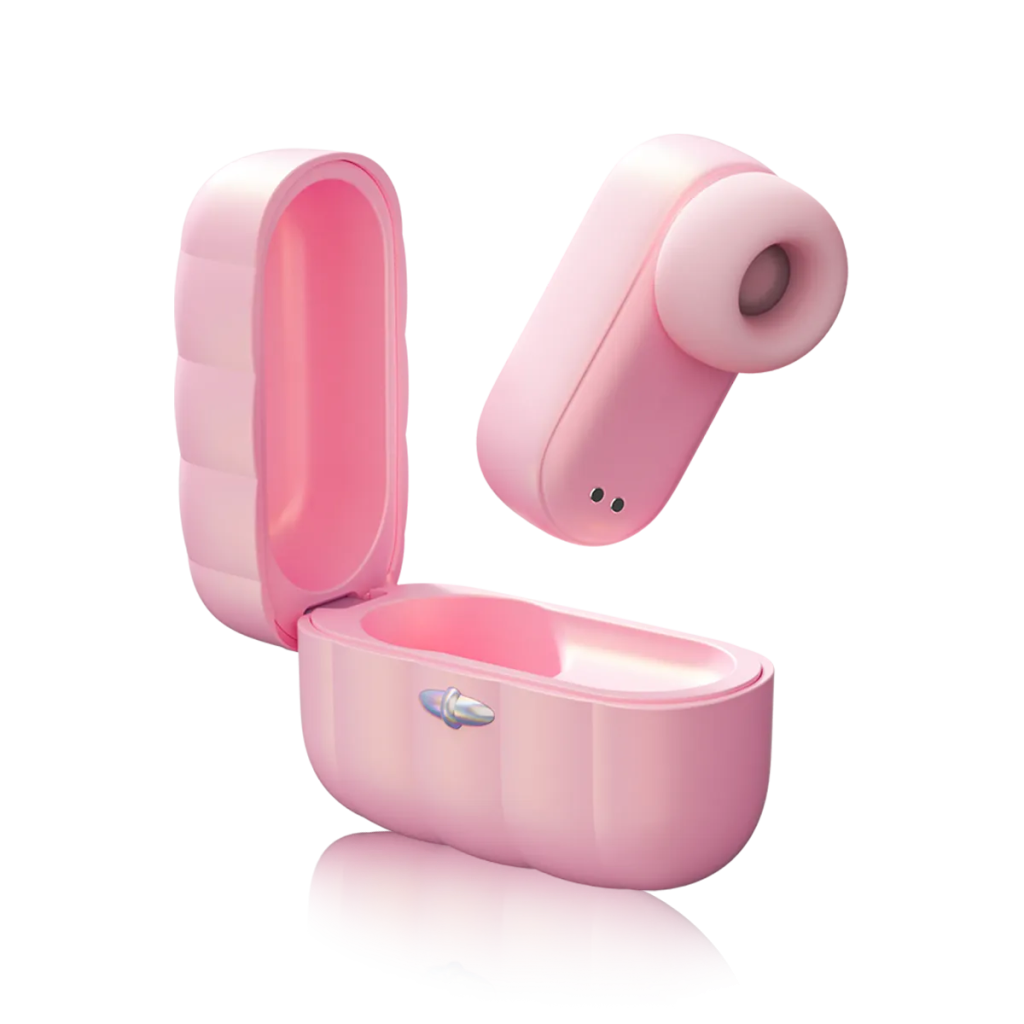
- After a G-spot orgasm, return to gentler external stimulation, like oral, or clitoral vibrators, like the Earpod.
- After gentle manual or oral stimulation, switch or add a toy with multiple features, such as the Anita, for a change of intensity and texture.
For Men and Penis Owners: Bypassing the Refractory Period
If you have a penis, you know that it’s most likely game over after ejaculation. But is it? Bear with me on this because understanding a little bit about biology is the first step to possible multiple orgasms.
Understanding the Male Refractory Period
After ejaculation, most men experience a biologically programmed “shutdown” known as the refractory period. Hormones like prolactin spike, arousal drops, and the body shifts into recovery mode. This can last minutes, hours, or longer, especially with age.
But here’s the “but.” Studies consistently show that while men tend to have higher orgasm rates than women in sexual encounters, often 22 to 30% higher. These orgasms are usually single events because of that refractory period.
Because of this, multiple orgasms for most penis owners require separating orgasm from ejaculation. And that’s where non-ejaculatory, aka “dry” orgasms, can happen.
Technique 1: The Non-Ejaculatory Orgasm a.k.a Dry Orgasm
Several documented case studies confirm that men can learn to have multiple orgasms by consciously managing their arousal and muscular control.
So here’s what you need to know:
1. Recognize the “Point of No Return” or the Ejaculation.
As you approach climax, there’s a moment when ejaculation becomes unstoppable. The goal is to learn the sensations that lead up to that point, so you can work with them.
2. Train your PC muscles (Pubococcygeus Muscles).
These are part of your pelvic floor, used in Kegel exercises, and when you stop your urine mid-stream. Strengthening and learning to contract/relax them on command gives you more control over ejaculation.
3. Use breath and muscle control at high arousal.
Right before you’d normally ejaculate, you can slow down or completely pause, take a deep breath as you keep your mind away from the stimulation, and contract your pelvic floor muscles to contain the orgasmic wave without triggering full ejaculation.
When done correctly, you may experience the rhythmic contractions and pleasure of orgasm with little or no fluid release.
After a short rest, they can build up to another wave because the full refractory “shutdown” hasn’t been triggered.
Note that this is a skill that needs practice. So, don’t be so hard on yourself if you don’t get it the first time.
Technique 2: The “Cool Down” Strategy
Not every orgasm is non-ejaculatory. But let’s face it, it’s rare. Even so, some men can still have a second erection and orgasm relatively quickly after ejaculating, especially if they
- Stay mentally and emotionally engaged with your partner.
- Avoid harsh or overstimulating touch right after coming.
- Do the edging technique.
Coach Corey Wayne provides a detailed video that explains how penis owners can achieve multiple orgasms through the edging technique:
Become the Guide of Your Own Body
Let’s be real, multiple orgasms are more common among vulva owners than penis owners. Still, they’re not impossible for anyone, regardless of gender.
Most people believe their pleasure has a limit, but your body is capable of far more than the “standard script” you were handed. You are capable of having more than one orgasm.
All you need is to learn about your body, learn the different techniques, and practice. Think of it as a skill to achieve those multiple O’s.
And to help you in the process, visit Beyourlover.com and find the best toy that will help you stay longer in bed and get the multiples you’ve always wanted.
Special Thanks To:
- PubMed
- International Society for Sexual Medicine
- Corey Wayne, life and peak performance coach